Inbal Sternberg, Director of Sustainability, Corporate Responsibility, and Business Continuity, IAI.
The global pandemic of 2020 continues to affect the business operations of companies worldwide. The ability of businesses to cope with the crisis was dependent, to a large extent, on the pre-crisis readiness of their organizational systems and processes and their inherent resilience. As far as an organization was sufficiently prescient to have created redundancy, a flexible organizational structure during times of emergency, and work procedures allowing for functional continuity, the business had an advantage that manifested itself in a shorter recovery time and more effective response to customers, employees, and all the company’s stakeholders.
Strategic management of business continuity
Strategic management of cross-organizational business continuity processes is based on the following:
- A forward-looking and holistic perspective relies on considering all the organization’s units and activities in the face of existing and developing business and regulatory requirements.
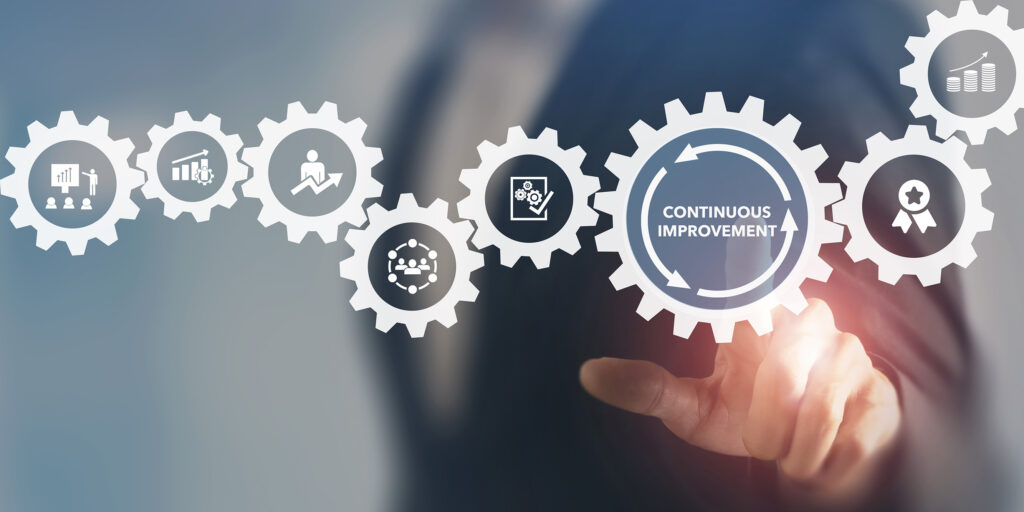
- Leveraging opportunities and reducing risks: business continuity supports quality assurance and customer service processes and seeks to reduce corporate risks within the company and the value chain. Implementing business continuity and establishing continual improvement mechanisms allow responding to the evolving regulatory environment to keep the organizational activities flexible and well-prepared in advance, thereby contributing directly to its competitiveness and business value in the medium-to-long term. This is also accompanied by innovation, reflected in leveraging opportunities regarding raw materials, inventories, and creative business models, on which continuous production resilience is built.
- Synergy and operational efficiency by maximizing the potential use of management systems and platforms while relying on systems-thinking processes and organizational knowledge, skills, and structures already established throughout the company.
- Contribution to transparency and stakeholder engagement: preparing in advance for potential scenarios and risks affords an open dialogue with customers and suppliers, aiming to ensure the stability and resilience of the value chain.
Business Continuity in IAI
IAI Ltd is an important business with the approval of the Ministry of Economy and Industry as an enterprise that serves the needs of national security. To ensure national continuity and resilience, the company is committed, in coordination with the relevant authorities, to carrying out all of the activities and allocating the resources necessary to participate in the State of Israel’s emergency preparedness plans. IAI has accordingly embedded clear procedures and work instructions to ensure continuous operations and projects in the event of potential, unexpected, and severe incidents, such as major fires, earthquakes, and cyber or terror attacks.
By defining and establishing effective response procedures during an incident, utilizing trained emergency response teams, and employing rehabilitation strategies and crisis management methodologies when necessary, the company ensures its core critical processes’ survival and continuous functioning. These preparations have contributed directly and in a timely fashion to the company’s resilience in the face of the ongoing challenges posed by the pandemic, including for sustainability and corporate responsibility, as was demonstrated by IAI’s decision to continue maintaining a dialogue with the company’s many stakeholders and publishing its annual sustainability reports despite the outbreak of the crisis in March 2020.
Businesses adopting this comprehensive approach can continue to meet their business objectives and stakeholders’ expectations and operate transparently through situations of acute or continuous crisis.